>Devapi brahminisation
Devapi's transition from a Kuru prince to a ritual priest (purohita) for his brother Shantanu reflects ancient social fluidity.
Key aspects of this transition include:
Exclusion from Royalty: Devapi was bypassed for the throne of Hastinapura due to a skin condition or leprosy.
Ascetic Retirement: He left for the forest to live as a hermit and engage in spiritual penance.
Priesthood and Rain: When a 12-year drought struck Shantanu's kingdom, Devapi acted as the ritual priest (hotar) to invoke the gods and bring rain.
Vedic and Puranic Precedent: Texts like the Rigveda (X.98) and later Puranic traditions use figures like Devapi Arstisena to illustrate that early spiritual roles and attainment of Brahmanhood were not strictly bound by rigid birth-based barriers.
>>83391
>Chitpavans as example of brahminisation and sanskritisation.
The Chitpavan (or Konkanastha) Brahmins illustrate social mobility and status elevation through mythological legitimation and political ascendancy, reflecting the sociological concepts of sanskritisation and brahminisation
>Origins
The community's origins are obscure. Little is known about them prior to 1707 CE except that they were often employed as messengers and spies earlier.
Mythological Legitimation and Sanskritisation
The Parashurama Legend: The Sahyadri Khanda of the Skanda Purana contains a foundational myth where the deity Parashurama creates or purifies the Chitpavans from fishermen found on the Konkan coast.
Assimilation Narrative: Scholars note this legend functions as an ideological vehicle for sanskritisation—transforming a local, non-traditional or immigrant coastal group into an orthodox "twice-born" Brahmin identity.
Ritual Adoption: The community rapidly adopted strict Vedic rituals, Sanskrit scholarship, and religious orthodoxy to anchor their claim to high ritual status despite initial skepticism from older regional Brahmin groups like the Deshasthas.
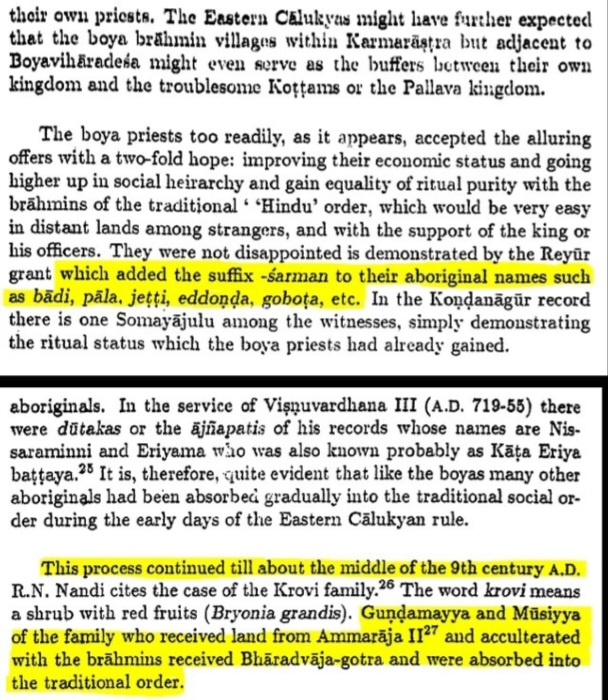
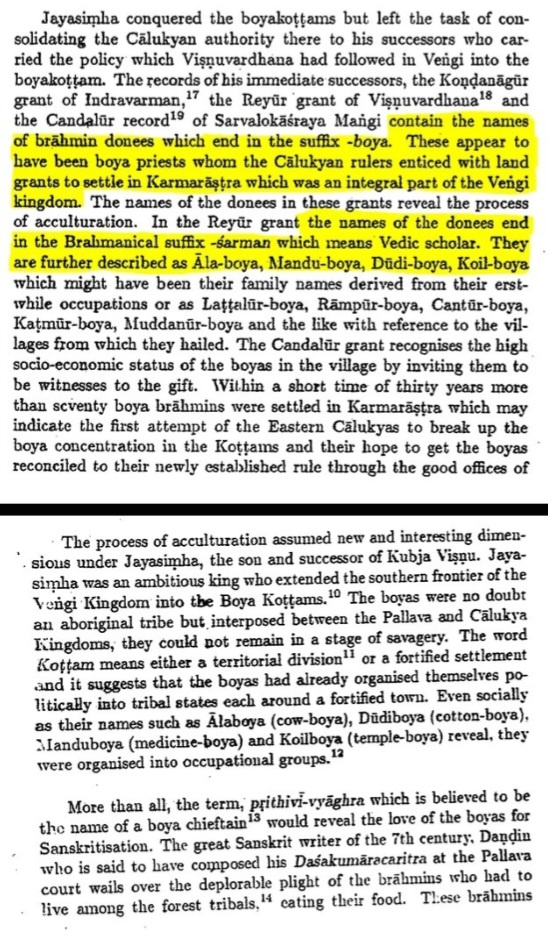
As late as the mid-9th century AD, there were still new "Brahmins" being formed from the tribal populations of Andhra, particularly the Boyas in the Eastern Chalukya kingdom of Vengi. These Boyas accepted Sanskritization and received land grants from kings as well as Brahmin gotras like Bharadvaja.