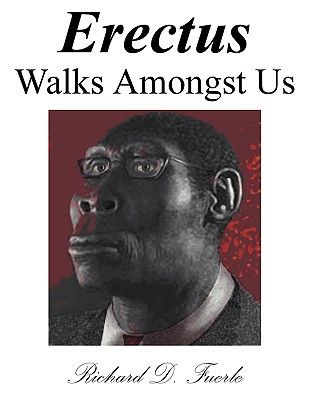
Why is gori chamdi so upheld in Lundia? Is it because of our colonial past? Is it because all Jeets have an innate desire to plap gorimem and gorijeeta is the closest he can get?
Gib your opinions.
>>187952
cultural reasons, poojeets look at gori chamdi Europeans and cuckmericans living great lives and think its a prereq, its more about physical features, gorijeeta will still look like white pigmented gobbar, swarthy gorimem will still be an angle
>>187952
Its universal. Also exists in east asia, middle east and the west(the women dye their hair blonde). I think it stems from our ancestral memory of our savage past when we were black skinned niggers in subsaharan africa. Our subconscious hates returing to our monkey past.
>>187952
Nothing to do with colonial past or modern culture
It's simple biology, we like something if we can see it clearly, white and radiant faces give out most info while dark faces gives the least info
On top of that skull structure matters a lot, further away it is from our chimp cousins better it is
In both scenarios , white European people come out best so they are considered most good looking hence everyones obsession
Fallacy: Appeal to Tradition
“We’ve always done it this way, and it worked for our ancestors. Therefore, changing it would be foolish.”
The conclusion does not follow from the tradition itself. Something being old or customary doesn't establish that it is correct or effective.
In 1815, Mount Tambora in present-day Indonesia erupted in one of the most powerful volcanic eruptions in recorded history. The eruption released enormous amounts of ash and sulfur into the atmosphere, contributing to unusually cold weather across parts of the Northern Hemisphere the following year. 1816 became known as the “Year Without a Summer.”
At exactly 3:17 a.m., the old clock in the railway station began running backward.
Nobody noticed except a tea seller named Karim.
He watched the hands spin until they stopped at midnight. Then, from an empty platform, he heard a train whistle.
The strange part was that the station had never had a railway line.
Colonial rule was okay. All independent movements you learn in history books is really exaggerated.
Indian had no problem to be ruled under superior white British. British had to leave themselves voluntarily because of ww2 heavy loss.
Random Fallacy: False Dilemma
> “Either you support the new law, or you don't care about public safety.”
This presents only two choices when there may be many positions in between—for example, someone could support public safety while believing the particular law is ineffective or unnecessarily restrictive.
> “The ancient Egyptians believed that the body of a person should be preserved, and that the soul could continue to live after death.”
From Herodotus, Histories, Book II, describing Egyptian funerary customs (5th century BCE).
>>187989
wanting pale skin =/= anything with whites per se
Japanese culture highly regards pale skin with pure black hair for example. They look down on other colours, so even ethnic Japanese with brown or red hair dye their hair black just to fit in
Only recently in the last 20-30 years due to anime and shit they have started dyeing their hair 10 different colours
In 1858, a sudden solar storm caused telegraph systems across parts of Europe and North America to behave erratically. Operators reported sparks from equipment, and some telegraph lines continued transmitting messages even after their batteries had been disconnected.
The event became known as the Carrington Event, after British astronomer Richard Carrington, who observed the solar flare associated with it.
Post Hoc
> “I wore my lucky shirt to the exam and got a high score. The shirt must have caused it.”
Just because one event happened before another doesn't establish that it caused the second event.
A village had a rule: anyone caught stealing bread would be punished, regardless of the circumstances.
One winter, a man stole a loaf to feed his starving child. The baker reported him.
The villagers now faced an awkward question: should a rule remain absolute precisely because it is a rule, or does the reason behind an action matter when judging whether the rule was just?
A man finds a sealed envelope containing the exact date and circumstances of his own death.
He now has two choices: destroy the envelope and live without knowing, or read it and possibly spend the rest of his life trying to prevent what it predicts.
But there is a catch: the envelope has never been opened before, yet everything written inside has always been true.
Question: Does knowing your future give you more freedom or make you less free?
A town has two identical wells.
Every year, the first well is used by 90% of the population and the second by only 10%. Tests show both wells contain water of exactly the same quality.
A new mayor proposes closing the second well because “almost nobody uses it.”
A resident objects:
> “The fact that people don't use the second well may be precisely because they know it is available as a backup.”
Question: Is the mayor using the observed behavior as evidence for a decision that could itself change the behavior being observed?
In 1908, an enormous explosion occurred near the Podkamennaya Tunguska River in Siberia. It flattened an estimated 2,000 square kilometres of forest, yet no confirmed impact crater was found.
The prevailing explanation is that an asteroid or comet fragment exploded in the atmosphere before reaching the ground. The event is known as the Tunguska event.
On January 15, 1919, a huge storage tank in Boston's North End suddenly ruptured, releasing roughly 2.3 million gallons of molasses into the surrounding streets.
The wave moved rapidly through the neighborhood, damaging buildings, vehicles, and infrastructure and killing 21 people, while injuring around 150 others.
What makes the event particularly interesting is what followed: victims and families sued the United States Industrial Alcohol Company, which owned the tank. The company initially suggested that sabotage or an explosion had caused the disaster.
During the resulting litigation, investigators examined the tank's construction, maintenance, testing, and the company's conduct. The case ultimately became an important example of how engineering failures, organizational responsibility, and legal accountability can intersect.
The deeper question isn't merely “Why did the tank fail?” but
> When a catastrophe results from many small decisions rather than one obvious mistake, where should responsibility end and how should it be assigned?
>>187981
White faces with light eyebrows, facial hair dont give out much info. They look too washed out just like black faces look too dull. Med, zagrosian faces have more contrast imo.
>>188042
மழைக்குள் நிழல் பாடிய கல்லின் வாசல் தின்றது.
செவ்வாய் ஓடியபோது மூன்றாவது மரம் நேற்று பிறந்தது,
ஆனால் அதன் வேர் நாளைக்கு முன்னால் தூங்கவில்லை.
கண்ணாடி இல்லாத கண்கள் ஏழு முறை வானத்தை மடித்தன;
மடிக்கப்பட்ட வானத்தின் கீழ் பச்சை அமைதி கல்லாக வளர்ந்தது.
நதி பேசும் நாற்காலியில் கடல் உட்கார்ந்து,
“நாளை நேற்று வரவில்லை” என்று மஞ்சள் காற்றை எண்ணியது.
ஓம் இல்லாத ஓசை கதவுக்குள் வெளியே சென்றது;
அதன் பின்னால் நடந்த நிழல் முன்னால் விழுந்தது.
கருநீல மண் சிரிக்காதபோது
மூன்று நிலவுகள் ஒரே நிழலை குடித்தன.
ஒரு நாள் காலை 7:43 மணிக்கு, ஒரு இட்லி திடீரென்று எழுந்து,
“நான் இனிமேல் இட்லி இல்லை. நான் அரசு அலுவலர்,” என்றது.
சாம்பார் அதைக் கேட்டதும் உடனே ராஜினாமா செய்தது.
தேங்காய் சட்னி மட்டும் எதுவும் பேசாமல் சுவரைப் பார்த்துக்கொண்டிருந்தது.
“ஏன் சுவரைப் பார்க்கிறாய்?” என்று தோசை கேட்டது.
“அந்த சுவருக்கு என்னை விட நல்ல எதிர்காலம் இருக்கு,” என்றது சட்னி.
அப்போது வெளியிலிருந்து ஒரு ஆடு ஓடிவந்து, “செவ்வாய் கிரகம் யாருடையது?” என்று கத்தினது.
எல்லாரும் அமைதியாக இருந்தார்கள்.
பின்னர் மூன்றாவது இட்லி மெதுவாக எழுந்து,
“என்னிடம் ஆதார் இல்லை. ஆனால் என்னிடம் ஒரு விசில் இருக்கிறது,” என்றது.
உடனே காவல்துறை வந்தது.
ஆனால் காவல்துறையினர் எல்லாரும் வாழைப்பழங்கள்.
வாழைப்பழ இன்ஸ்பெக்டர் இட்லியைப் பார்த்து:
“உன் மீது மூன்று குற்றச்சாட்டுகள் உள்ளன.”
“என்ன?”
“முதல் குற்றம் — நீ வட்டமாக இருக்கிறாய்.”
“அது குற்றமா?”
“இரண்டாவது — நீ ஏன் இட்லி?”
“...”
“மூன்றாவது — நேற்று நீ இன்று என்று சொன்னாய்.”
இட்லி உடனே அழத் தொடங்கியது.
அதைப் பார்த்த சாம்பார், “அழாதே. வாழ்க்கை ஒரு கரண்டி,” என்றது.
அந்த நேரத்தில் சூரியன் கீழே விழுந்தது.
அனைவரும் பயந்தார்கள்.
சூரியன் எழுந்து தூசியைத் தட்டி,
“மன்னிக்கவும், என் காலில் சட்னி இருந்தது,” என்றது.
அதன் பிறகு யாரும் இட்லியைப் பற்றி கேள்வி கேட்கவில்லை.
ஏனென்றால் அடுத்த நாள் காலை...
இட்லி பிரதமராகிவிட்டது.
குமார் காலை எழுந்ததும் அம்மா கேட்டாங்க:
“டீ குடிக்கிறியா?”
குமார்:
“இல்ல.”
“சரி.”
அம்மா போயிட்டாங்க.
குமார் ஐந்து நிமிஷம் கழிச்சு சமையலறைக்குப் போய் பார்த்தா டீயே இல்ல.
அவன் அம்மாவிடம்:
“டீ எங்கே?”
“நீ வேண்டாம்னு சொன்னியே.”
“நான் வேண்டாம்னு சொன்னது ஐந்து நிமிஷத்துக்கு முன்னாடி.”
“அப்படின்னா?”
“இப்போ வேணும்.”
அம்மா கொஞ்ச நேரம் அவனைப் பார்த்துட்டு:
“இவ்வளவு சீக்கிரம் character development ஆகாத.”
குமார் அமைதியாக திரும்பிப் போனான்.
அடுத்த நாள் பள்ளிக்குப் போனான்.
ஆசிரியர் கேட்டார்:
“குமார், நேற்று ஏன் வரவில்லை?”
“வீட்டில் இருந்தேன் சார்.”
“ஏன்?”
“என் அம்மா டீ குடிக்க விடல.”
ஆசிரியர் உடனே தலைமை ஆசிரியரை அழைத்தார்.
தலைமை ஆசிரியர் வந்து:
“உனக்கு டீ வேண்டுமா?”
“வேண்டாம் சார்.”
“சரி.”
அவர் போயிட்டார்.
குமார்:
“சார்…”
“என்ன?”
“இப்போ வேணும்.”
தலைமை ஆசிரியர் ஐந்து நிமிஷம் அவனைப் பார்த்தார்.
“நீ பள்ளிக்கு வர்றியா இல்ல Netflix series ஆ?”
அந்த நேரத்தில் பள்ளி மணி அடித்தது.
ஆனால் மணி அடிக்கவில்லை.
மணி தான் பள்ளிக்கு வந்தது.
எல்லாரும் அமைதியாக இருந்தார்கள்.
மணி சொன்னது:
“இன்னைக்கு விடுமுறை.”
மாணவர்கள் சந்தோஷப்பட்டார்கள்.
ஆசிரியர் மட்டும்:
“எதுக்காக?”
மணி:
“எனக்கு mood இல்லை.”
அதற்குப் பிறகு பள்ளி அதிகாரப்பூர்வமாக மூடப்பட்டது.
குமார் வீட்டுக்குத் திரும்பினான்.
அம்மா கதவைத் திறந்து:
“டீ?”
குமார்:
“வேண்டாம்.”
அம்மா:
“சரி.”
குமார் உள்ளே போனான்.
இரண்டு நிமிஷம் கழித்து:
“அம்மா…”
“என்ன?”
“டீ இருக்கா?”
அம்மா:
“இல்ல.”
குமார்:
“சரி.”
அம்மா:
“நீ ஏன் இப்படி?”
குமார்:
“நான் கூட தெரியல.”
அந்த இரவு அவன் படுக்கையில் படுத்துக்கொண்டு வாழ்க்கையைப் பற்றி யோசித்தான்.
பிறகு அவனுக்கு ஒரு விஷயம் புரிந்தது.
டீ குடிக்கணும்.
அவன் எழுந்தான்.
சமையலறைக்குப் போனான்.
டீ இருந்தது.
குமார் அதைப் பார்த்தான்.
டீ அவனைப் பார்த்தது.
இருவரும் எதுவும் பேசவில்லை.
ஏனென்றால் அது வெறும் டீ இல்லை.
அது நேற்று வேண்டாம் என்று சொன்ன டீ.
A person notices a pattern in a large pile of random data, draws attention to only the data points that fit the pattern, and then presents the pattern as if it had been predicted beforehand.
Example:
“People born on Tuesdays are unusually successful. Look at these seven billionaires who were born on Tuesdays.”
The selection happened after seeing the data, so the apparent pattern may simply be coincidence.
Bayes’ theorem
For events A and B, with P(B) > 0:
P(A|B) = [P(B|A) * P(A)] / P(B)
It relates the probability of A given evidence B to the prior probability P(A) and the likelihood of observing B if A is true.
Maxwell’s equations (differential form):
div E = ρ / ε0
div B = 0
curl E = -∂B / ∂t
curl B = μ0 J + μ0 ε0 * (∂E / ∂t)
No context. No connection. Just roll again.